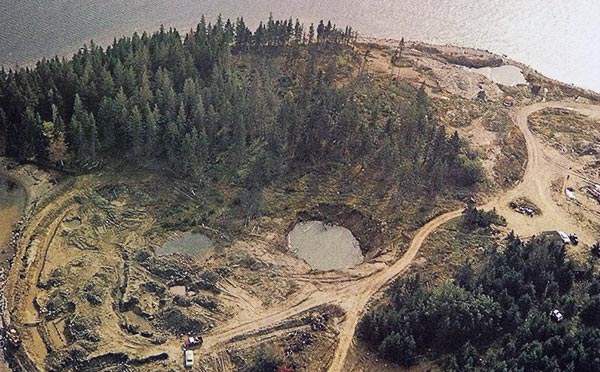
For more than 200 years, treasure hunters have searched for a mysterious underground pit on Oak Island that may hide lost riches, ancient secrets, or nothing at all.
The Oak Island Money Pit is one of the most famous treasure mysteries in North American history. Located on Oak Island off the coast of Nova Scotia, Canada, the site has attracted explorers, historians, and treasure hunters for generations. The biggest question remains: is there really buried treasure hidden beneath the island, or is the Money Pit simply a natural underground formation that people have misunderstood? Many people believe the pit contains valuable artifacts, while others think the mystery has been exaggerated over time.
The Background
The story of the Oak Island Money Pit began in 1795 when a teenager named Daniel McGinnis discovered a strange depression in the ground while exploring the island. According to the story, he noticed a large tree with markings above the area and signs that the ground had been disturbed.
McGinnis and two friends began digging and discovered layers of logs placed underground at regular intervals. As they dug deeper, they believed they had found a carefully built shaft. The discovery led them to believe that someone had intentionally hidden something valuable below the surface.
Early theories suggested that the pit might contain pirate treasure, possibly from famous figures such as Captain Kidd or other pirates who operated in the Atlantic Ocean. Other theories suggested it could contain lost historical items, such as valuable documents or religious artifacts.
The idea of a hidden treasure chamber captured people’s imaginations, and soon groups began traveling to Oak Island to search for answers.
What We Know
Over the years, many discoveries have been made on Oak Island, but none have provided final proof of buried treasure. Searchers have found pieces of wood, metal objects, old tools, and other materials underground.
One of the most famous discoveries was a stone with unusual markings that some people believed contained a secret message. However, later attempts to interpret the markings have been questioned, and no clear meaning has ever been proven.
Treasure hunters have also found evidence of tunnels and underground structures. Some researchers believe these features show that someone deliberately built a hidden storage system. Others argue that the underground formations could have been created by natural processes.
The island’s location has made searching extremely difficult. Water constantly floods the excavation areas, making it hard to dig deep underground without expensive equipment and complicated engineering.
The Investigation
Since the original discovery, many teams have attempted to solve the mystery. Early treasure hunters dug large holes and created tunnels, but flooding repeatedly stopped their efforts.
In the 1800s and 1900s, several companies invested money into searches, hoping to recover a valuable treasure. Some teams used advanced technology, including drilling equipment and underwater exploration methods.
In recent years, the mystery gained renewed attention through the television series The Curse of Oak Island, which follows modern treasure hunters as they investigate the site. The team has used scientific testing, metal detection, sonar, and archaeological methods while searching for evidence.
Despite centuries of work, no one has found a confirmed treasure vault or identified exactly who created the pit.
The Mystery
The Oak Island Money Pit remains fascinating because it combines history, adventure, and unanswered questions. The strange underground structures suggest that someone may have intentionally hidden something, but there is still no agreement about what that something was.
Some believe the pit contains lost treasure from pirates, explorers, or historical figures. Others think the site may have been a natural formation that became surrounded by legends over time.
The biggest mystery is not just what is buried beneath Oak Island—it is whether anything was ever buried there at all. After more than two centuries of searching, the Money Pit continues to challenge treasure hunters and inspire new theories about what may be waiting underground.
